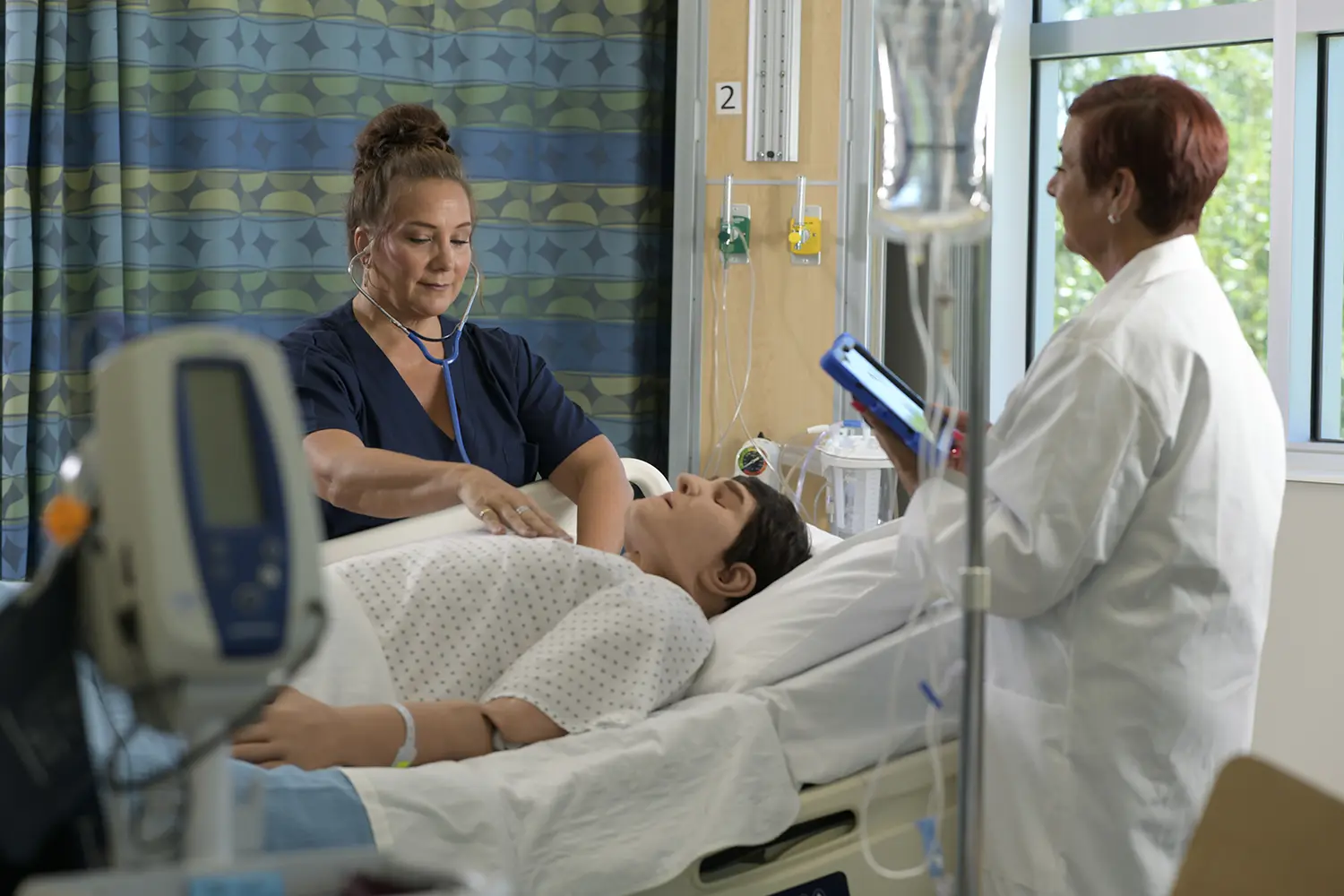
Our largest and most comprehensive event, HPSN World brings together healthcare simulation experts and novices from around the globe to share best practices and see new simulation technologies. HPSN World 2013 will be in San Francisco, and it's a must for everyone who wants to optimize their simulation learning environment and see the latest in healthcare simulation technology. Register Today!
Celebrate "The Magic of Simulation" at our welcome reception on Sunday, June 30. Come as you are to enjoy conversation, free refreshments and entertainment by Jay Alexander, our magician-to-the-stars!
The deadline for making hotel reservations has been extended through June 19th! Don't miss out on your chance to take advantage of this great rate. To make a hotel reservation, please contact the San Francisco Marriott Marquis Reservations at 1-888-575-8934 regarding rooms availability or to update your current room reservations.
Should you experience difficulty in registering, please contact Cassie Jewell at cassie.jewell@cae.com
Keynote Speaker: John Foley
Read more about John in the "Speakers" tab!
It is time to send in your submissions for the HPSN World 2013 Video Awards! Categories are: my Incredibly useful simulation tip or trick, my amazing simulation scenario and my favorite simulation story. Send your submission to caehealthcare@cae.com to win great prizes!! No need for a videographer, use your ipad, iphone or handheld camcorder. Visit the Video Awards page for more information. Submission deadline is June 15th!
HPSN World 2013 will offer a full line of hands-on programs given by leading experts in healthcare simulation. This event is the ultimate place to discover hands-on tricks and tips for optimizing simulation in your learning environment. HPSN World 2013 will be offering FREE CEUs.
HPSN World 2013 Concurrent Sessions are shown below. Please note that there is no need to sign up for Concurrent Sessions, they are all first-come, first-serve. A detailed schedule will be posted by the beginning of June. HPSN World 2013 will be offering FREE CEUs.
'$ustaining ROI' - How to Develop External Business Contracts For Your Sim Lab
Facilitator: Lance Baily
Description:
In order to continue to provide an increasing number of learners with the highest quality training environments, your simulation program will need to seriously consider business opportunities with external partners. Lance Baily shares his strategies for developing a successful revenue-generating program for your simulation program. Within two years of starting business partnerships at the Clinical Simulation Center of Las Vegas, Lance was able to secure a planned additional income of $250,000 by the end of calendar year 2012. Lance will discuss how to gain administrative support, legal requirements and documentation development, staff considerations, price points, negotiation strategies, proven marketing practices, and customer satisfaction. Lance will then be joined by the HSA panel of experts to further discuss successful business venture opportunities through topics such as: types of business opportunities, how to secure larger contracts, finding customers, refining services through surveys, and media production. An audience question and answer period will follow the lecture and panel discussion. This session explores how to successfully increase external revenue for the long-term success of your medical simulation program.
"And Scene!" How to Increase Realism by Becoming a Hollywood Director
Facilitator: Lance Baily
Description:
This audience immersive performance will utilize advanced video production techniques to demonstrate the importance of “mise-en-scene” or what goes into the scene! Learn from professional filmmaker and simulation “thought leader” Lance Baily as he demonstrates (through movie-magic) the critical eye a director must have to ensure ‘on-screen’ story arc. Continued discussion shares how to overcome learner difficulty with camera presence by sharing professional documentary production secrets.
"Faculty Forward": Faculty Development in High-fidelity Simulation in Nursi
Facilitator: Wendy Nehring
Description:
Simulation in nursing and nursing education is one, which has evolved rapidly in the past decade. At the same time, the importance of research in this area has also been stressed. One topic that has not received much attention is faculty development. A number of authors have discussed the need and provided recommendations for the use of simulation, but research in this area deserves attention. In this presentation, a systematic review of the existing research on faculty development in simulation will be presented. A search of the literature from CINAHL, Nursing and Allied Health Collection, OVID Medline, ScienceDirect, PubMed, and Scopus was done. Information on the sample, design, methods, and results will be compared. Recommendations for faculty development programs will be presented.
Last year, FSCC stormed the community and the nation spreading awareness of the dangers of texting while driving using our high fidelity human simulator, iStan. There were more than 1,000 students from area high schools and FSCC who witnessed this event. Seeing how moved the students were by the program, FSCC decided to continue the mission of their College and Division by using iStan once again. This year, we are recreating a scene where a female is a victim of domestic violence. “Shattered” is a presentation to increase the awareness of the continued problems with domestic violence.
A savvy Simulation Coordinator recognizes the need for current students and new graduates seeking to set themselves apart in the marketplace by motivating them to work for free in exchange for acquiring the arcane art of simulation. The benefits include time to write and adapt scenarios, collaboration with lecture and clinical staff to increase the impact of simulation, and debriefings that magnify experiential learning. "Sim Squads" are easy to develop, simple to maintain and cost-effective. Each participant in this session will find they can quickly put this process together, have a "Sim Squad" up and running within a few short weeks, provide momentum to their simulation program, leverage efficiency, and have fun as the learning happens. "Sim Squad" students reinforce core content, mirror good instruction, and value the responsibility of the "train-the-trainer" method, developing a deeper understanding beyond facts and figures.
"Trading Spaces" Our Experience with Converting to LearningSpace
Facilitator: Michelle Wallace
Description:
This session will be an interactive presentation/discussion about the experience of switching from a major software solution to LearningSpace. General thoughts from a user perspective on the functionality of the two systems and the unique capabilities of LearningSpace will be presented. Some features that will be highlighted include the Order Manager feature, video annotations and maximum user control. This session is aimed at individuals who are purchasing software for the first time or considering converting to LearningSpace.
"You want me to do what?" Implementing Curriculum Wide Simulation
Facilitator: Suzy Cook
Description:
This session describes the process of integrating simulation into lab, theory and clinical courses throughout an Associate Degree in Nursing curriculum. The organizational structure and collaborative efforts among faculty and staff are described. In addition, techniques used in the student orientation program and tools to facilitate engagement are presented and shared.
A Clinical Simulation Integration Model for Nursing Education
Facilitators: Maureen Tremel; Lori Theodore
Description:
Clinical simulation has been used at Seminole State College of Florida to reach out to healthcare, education and community agencies to increase the interest and better prepare individuals for a career in nursing. Through this initiative a comprehensive integration model emerged. The Nursing Clinical Simulation Integration Model was adopted by the Nursing faculty to be used for evaluation, planning and future curriculum integration of simulation. An extensive review of the literature will provide support for broader use of this model for nursing education.
This presentation will describe the development and implementation of a multi-patient simulation with senior critical care students in a BSN program including integration of the QSEN competencies. In a rural ER setting, students must assess, prioritize, and implement care as well as communicate with family members. Planning, implementation, and student evaluation comments will be included.
A Day in the ER: A Multi-patient Simulation for Senior Nursing Students
Facilitators: Jill Pence; Cindy Berry; Lora Shelton; John Lundeen
Description:
This poster will describe the development and implementation of a multi-patient simulation with senior critical care students in a BSN program including integration of the QSEN competencies. In a rural ER setting, students must assess, prioritize, and implement care as well as communicate with family members. Planning, implementation, and student evaluation comments will be included.
Achievement of Learning Outcomes in Trauma Training
Facilitators: Simerjit Singh; Dinker Pai
Description:
This session includes PowerPoint presentation of research done to study subjective and objective achievement of learning outcomes in simulation training.
Applying Kotter's Change Model to Simulation Integration
Facilitator: Robin Lynch
Description:
Prior to Fall 2012, the Pace University School of Nursing lacked a formal simulation program, with only a few simulators and mannequins and even fewer faculty who used simulation as a teaching tool. In Spring 2012 a small team decided that simulation needed to be part of every course and developed a plan for simulation integration. Kotter's 8-step model may serve as a useful framework for simulation integration and is highly applicable to academia. This session will include practical application ideas, tips to obtain faculty buy-in, lessons learned, and future plans.
Are Your Students Ready? Staging Interprofessional Disaster Simulations for Senior Nursing Students
Facilitators: Cindy Berry; Jill Pence
Description:
This session will present the planning, implementation, and evaluation process involved in a disaster simulation with undergraduate nursing student, campus resources including campus safety and counseling, and community resources including police, fire, paramedic, and EMA. Video and pictures will be included.
Best of Both Worlds: An Interactive Demonstration of a Combined Solution
Facilitators: Deborah Bambini; Diane Mathe
Description:
This presentation will provide an interactive look at Elsevier's Simulation Learning Systems, which now includes scenarios adapted from CAE's PNCI and how it's optimized to work with CAE's simulators. Participants will learn about the ease of use and numerous benefits of this new product, including the SimChart EHR, Skills Drills, and the Muse programming that powers the simulators. Come see how the SLS will help maximize the capabilities of your simulator while helping you integrate simulation into your nursing curriculum.
Bring the Concept Care Map to Simulation: Another Step to Improve Clinical Judgment
Facilitator: Leslie Catron
Description:
Concept Care mapping is a teaching/learning strategy providing a visual of interrelationships of medical and nursing patient care concepts. Participants at all levels will discover the theoretical basis for mapping and how it promotes critical thinking and clinical judgment. Interactive groups will map and see how it encourages problem solving, creates a one-shift, one-page care plan, and visualizes the relationships for care interventions. This holistic approach to patient care can be applied with competency assessment, evaluation of learning and in simulation debriefing to help the learner freeze behavior change.
Facilitators: Stella Whitley; Alison Wiseman; Jacqueline England
Description:
The mentor is responsible for on-going supervision and assessment of students in the practice setting and offer student support and guidance, ensuring nursing students are fit to practice (Nursing & Midwifery Council, 2008) (NMC). Despite research suggesting that mentors are failing to fail poorly performing students (Duffy, 2004) there is continued evidence highlighting how challenging mentors find this aspect of their role (Rutkowski, 2007). Assessing students who are performing below the standard expected for a pre-registration nurse (NMC, 2010) is challenging.
A number of mentorship programs and courses such as University of Bedfordshire, University of Surrey and University of Chester are incorporating the use of simulation to help support failing students and mentors in practice. Pre-registration nursing and midwifery education in the United Kingdom advocates the use of simulated practice learning, however, it is unclear how widely this strategy is used to develop mentors assessment and feedback skills in the United Kingdom. This tri-centre study proposes to use simulation as a means to enhance mentors ability to support nursing students and to make evidence based decisions in managing underperforming students in practice.
Changing Hospital Culture: Understanding the System-wide Effects of a Nurse Residency Program
Facilitators: Susan Jones; cathleen Deckers;
Description:
Nurse residency programs have been shown through the literature to provide documented improvements for the resident participant. This presentation will show how the nurse residency program at Swedish Hospital, in Seattle, Washington has improved patient outcomes and system operations. The nurse residency program has been instrumental in developing the professional practice culture throughout the five-hospital system by providing a baseline standard of nursing practice that is reinforced through simulation practice.
This session will address how all nursing educators can objectively evaluate clinical skills. Faced with the difficulty of varying clinical experiences, potential for subjective grading techniques and patient safety, the faculty at Salish Kootenai College has developed Competency Testing. By using a simulated clinical experience to evaluate student progress and safety, the faculty can level testing, coordinate patient scenarios with didactic content, and eliminate any patient safely issues.
Collaborative Simulation Day with Freshmen and Senior Students
Facilitators: Michelle Wade; Sarah Billings, RN, MSN, DC
Description:
This session will be an interactive presentation/discussion about using simulation to enhance teamwork and delegation skills between LPN students and RN students. The Vermont Technical College faculty will provide feedback from students as well as lessons learned from running this "simulation clinical day" on three different occasions during the past academic year. The faculty will include how they chose the scenario, how they accomplished having 54 students participate in the day and the preparation required. This session will be aimed at schools that do not have a central simulation center or simulation coordinator and will demonstrate how VTC overcame some of those obstacles with students spread across greater than 300 miles and four campuses.
Declining Patient Situations: A Study with New RN Residents
Facilitators: Patricia (Patty) Ravert; Janell Anderson
Description:
This session project describes a strategy in a large urban hospital system to integrate simulation technology into new nurse orientation and residency. This project is guided by two models: NLN/Jeffries Simulation Model and Tanner's Clinical Judgment Model. The findings of the project indicate simulation experiences helped the new RNs make informed decisions in the clinical setting patient care, particularly with patients experiencing a decline in their condition.
Design OSCE: Vignettes in Simulation Facility Design
Facilitators: Matthew Guinta; Malvin Whang, AIA, LEED AP
Description:
Experience becoming part of an interprofessional, simulation center design team. A series of exercises expose your team to a variety of common planning and design issues including locating your center, selecting and sizing functional components, and configuring space. Prioritizing and building consensus completes your mission. A diverse group of facilitators guide the exercises and debrief the teams. Decision-making, discussion and idea sharing will hone design skills for application to your center's unique needs.
Designing Serious Games for Medical Professionals: A Scientific Approach
Facilitator: Marlies Schijven
Description:
Insights and developments from gaming industry are fueling application of games towards serious challenges, such as training of medical professionals to improve patient safety. Many purposes for serious medical games can be envisioned, but the practical design process may be deterring. Practical problems may be to ascertain necessary scientific backing for games, while at the same time level with game designers. This workshop aims to give insight in the game design process.
This session will outline the process of establishing the collaborative network within Northern Clinical Placement Network (NMCPN). Three major health services within the Northern Clinical Placement Network (NMCPN) joined together in an effort to share resources and expertise and provide opportunities for SBE for pre-professional entry students and staff within their organizations.
Developing Metacognition Skills Through Clinical Simulation
Facilitators: Maureen Tremel; Lori Theodore
Description:
Clinical Simulation is used in nursing education to demonstrate decision-making (Jeffries, 2005). Research has shown that metacognitive strategy instruction is effective in improving decision-making performance. (Batha, 2009). Metacognition can be developed by providing the learner with both knowledge of cognitive processes, experience in using both cognitive and metacognitive strategies and evaluating the outcomes of their efforts (Livingston, 2003). Knowledge of experiential learning theory and the application to the patient care experience through simulation can help nursing students learn.
Does High Fidelity Simulation Adequately Prepare Students for Practice?
Facilitator: Stella Whitley
Description:
This presentation will discuss a current evaluative research study. This study aims to ascertain whether the use of practice hours for high-fidelity simulation has any perceived impact on pre-registration student learning, skills and confidence in the practice area. Staff members’ perceptions of high-fidelity simulation in the educational context will be sought and the researcher will offer personal insight and expectations of high-fidelity simulation in practice, encouraging a triangulated research methodology.
Does Knowledge & Practice Gained in Simulation Translate into the Workplace
Facilitators: Mark Wilford, BSc (HONS) RGN; Amanda Wilford
Description:
This paper will explore if knowledge and practice is retained on return to clinical practice following a simulation study day at Bristol Medical Simulation Centre, UK. A group of Nurses and Nursing Assistants from the Bristol Royal Infirmary attended WASPS (Workshop Assessing Sick Patients in Simulation) and were asked to complete a questionnaire using vignettes before and after the simulation study day and at three months on return to practice. At the same time following the study day and at 12 weeks to complete the Simulation Effectiveness Tool (SET) {Elfink et al 2012} was also used. The results, as well as recommendations for practice and for future use of such study days within a hospital environment will be shared.
Enhancing Diverse Nursing Concepts in the Classroom Through Simulation
Facilitators: Jackie Lollar, DNP, RN; Jan Mendenhall, RN, MSN
Description:
This session will present information on using human patient simulation in the classroom setting as an excellent strategy to convey didactic information into a real life setting. By bringing the simulator to the classroom, active learning can take place for a large number of students. Using simulation in the classroom can improve student's understanding of specific disease processes, patient safety, and broad topics such as grief/loss, culture, and ethical issues.
European nurse adaptation programme: evaluation student and staff experiences of learning in a simulated practice environment using the simulation effectiveness tool
Facilitator: Allison Wiseman
Description:
An evaluation of European and European Economic Area Nurses undertaking an adaptation program for United Kingdom Nursing and Midwifery Council Registration. The paper will present the evaluation of the students simulated practice learning experience using the Simulated Effectiveness Tool and our learning as facilitators
Evaluating Medication Administration Competency of LPNs in an ADN Program
Facilitator: Renae Schondel
Description:
This session will discuss the outcome of a study that measured the effect of eDose completion by Licensed Practical Nurses during the Pharmacology course in the first semester of the Associate Degree Nursing program on medication administration competence. Skills were measured within the nursing skills lab by nursing faculty using a checklist instrument before and after completion of the eDose program.
Evaluation of Simulation Learning Among Filipino Nursing Students
Facilitator: Theresa Guino-o, RN MSN
Description:
A descriptive-correlational study over one year shows that the majority of 688 fourth-year Filipino nursing students rated the accomplishment of simulation design elements as satisfactory. Likewise, the majority rated the elements as very important and expressed satisfaction and high confidence levels after the experience. Spearman's Rho analysis showed significant correlations among all variables. The results give a strong basis for the continued use of high-fidelity human patient simulators for learning in Asian settings.
Evaluation Tool to Measure an Interdisciplinary Critical Incident Verbal Report
Facilitator: Jacqueline Guhde MSN RN CNS
Description:
Healthcare professionals need to be able to give each other a concise report when a patient is experiencing a critical incident. This presentation will discuss an evaluation tool based on I-SBARR that was developed and piloted with nursing students to evaluate a verbal report during a simulated experience. The tool could be used during interprofessional simulations to promote discussion between disciplines as the participants develop the actual scoring data on an individual scenario.
Facilitator Competency: Moving from Novice to Expert
Facilitators: Kim Leighton, PhD, RN; Vickie Mudra
Description:
Education and training to improve the knowledge, skills, and effectiveness of faculty and staff when facilitating learning in the simulation lab has not been studied as a whole. A train-the-trainer program has been undertaken at multiple campuses of a U.S. undergraduate nursing school. This presentation will discuss the approach taken, lessons learned, and evaluation of facilitator competency. A competency rubric has been developed and initial statistical evaluation of the tool’s reliability and validity will be presented.
Falling Forward - Success Defined, An Operational Day
Facilitators: David Oleson, M.S., EMT-P; Brian Hendrickson
Description:
This presentation is geared towards the EMS community and those organizations that have begun the initial research phase and intend to create a wireless, tetherless and immersive EMS simulation environment. Presentation topics focus on a typical operational day with a highly dynamic EMS program - prepping, set-up, communication, efficiency, running a station, debriefing, data collection and storage, troubleshooting and problem-solving. From implementation to proficiency, this session is designed as the second part of our journey towards achieving an immersive simulation program.
Falling Forward-Our Journey Towards Immersive EMS Simulation
Facilitators: Brian Hendrickson; David Oleson
Description:
This presentation is geared towards the EMS community and those individuals and organizations that are testing the waters to determine feasibility for a simulation program. It's not easy (we'll share our pitfalls and mistakes), but with the proper support such as staff involvement, funding resources, a sustainability plan and good interdepartmental relationships, you can improve your chances of success.
This session will look at a range of educational principles and their relationship to the debriefing process. Debriefing frameworks and strategies will be presented and discussed. These frameworks will be used to unpack vignettes of clinical scenarios to identify the main debriefing points. The session will provide an opportunity for delegates involved in debriefing to deepen their knowledge and understanding of the valuable educational activity.
This simulated clinical experience will expose the audience to a simulated patient who experiences herniation syndrome and progresses to death, including brain death and criteria pronouncing death. The simulated patient is intubated and neurologically compromised. There are four states. Senior nursing students will execute a plan of care for this simulated patient with brain injury.
How Did you Do That? The Art of Enhancing Realism in Patient Simulation
Facilitators: Michael Foss, M.E.d, RDMS, RVT; Christopher Scott, M.Ed NREMT-P; Anna Foss
Description:
This interactive presentation will introduce participants to tools and techniques used to make patient simulation look and feel more real. Moulage techniques and creative ideas and designs will be shared. This session will be hands-on in creating moulage pieces.
How Mobile Can You Go? Making the most of your patient simulator outside of the training facility
Facilitators: David Biffar; Lisa Grisham
Description:
Simulation training is quickly becoming the best method to bridge the education/experience gap for high-risk, low frequency critical care emergencies. Healthcare providers often learn the didactic components of how to care for patients in emergencies, but feel ill prepared when the actual situation arises. Along with the stress of the emergency, difficulties with equipment or the logistics of transferring the patient can delay care and thus lead to poor outcomes. Having the opportunity to practice the simulated scenario in the actual environment (in situ) using their own equipment and personnel, allows healthcare providers to process what is needed and how to best handle the emergency without sacrificing patient care.
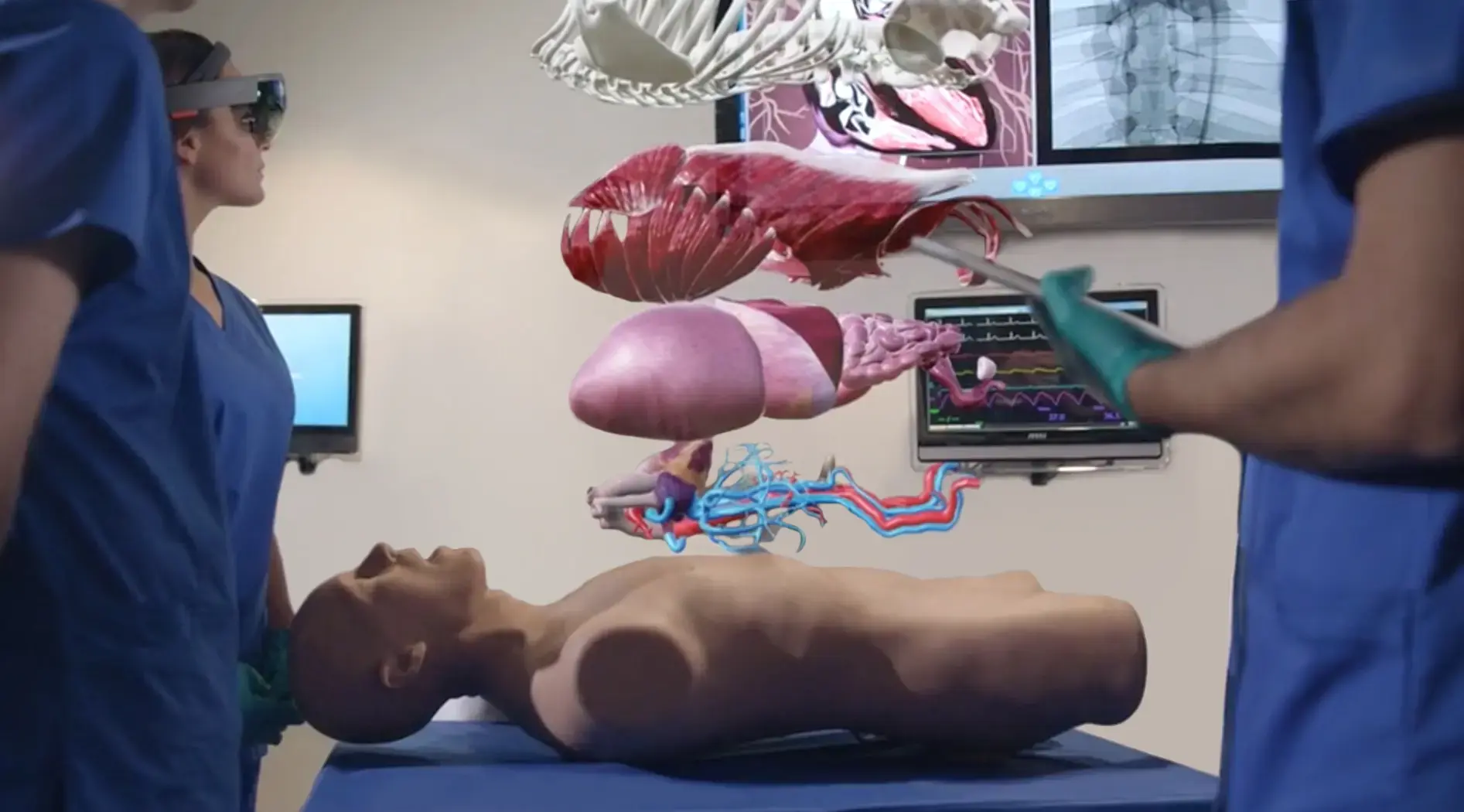
Human Patient Simulation - Now with Augmented Reality
Facilitator: Melanie Lindley
Description:
This interactive workshop will introduce and discuss an innovative approach developed by technologists and academics at Sheffield Hallam University aimed at enhancing realism and engagement within simulation-based activities by using additional Augmented Reality. The session will incorporate audience participation to encourage the development and utilization of these resources as well as discussions for possible wider implementation.
Implementing the INACSL Standards of Best Practice
Facilitators: Lori Lioce, DNP, FNP-BC, CHSE, FAANP; Beverly Hewett
Description:
Standards for simulation best practices are important to the quality, consistency and continual strengthening of simulation as an instructional strategy. The Standards of Best Practice: Simulation (INACSL, 2011) is a resource for common terminology, rationale, outcome, criteria and guidelines providing a framework for research, development, and proposals to leadership and potential donors. This presentation will provide participants with a better understanding of the standards and their application to facilitation and learning strategies using simulation.
This interactive workshop will show participants how to integrate interprofessional education (IPE) into their simulation program. The session will initially explore what is meant by IPE, involve group work by designing vignettes, and allow time with a human patient simulator. By the end of the session, the participants will have an approach that can be easily adapted to local, regional, national and international needs. Facilitated by two educators one from USA and one from England.
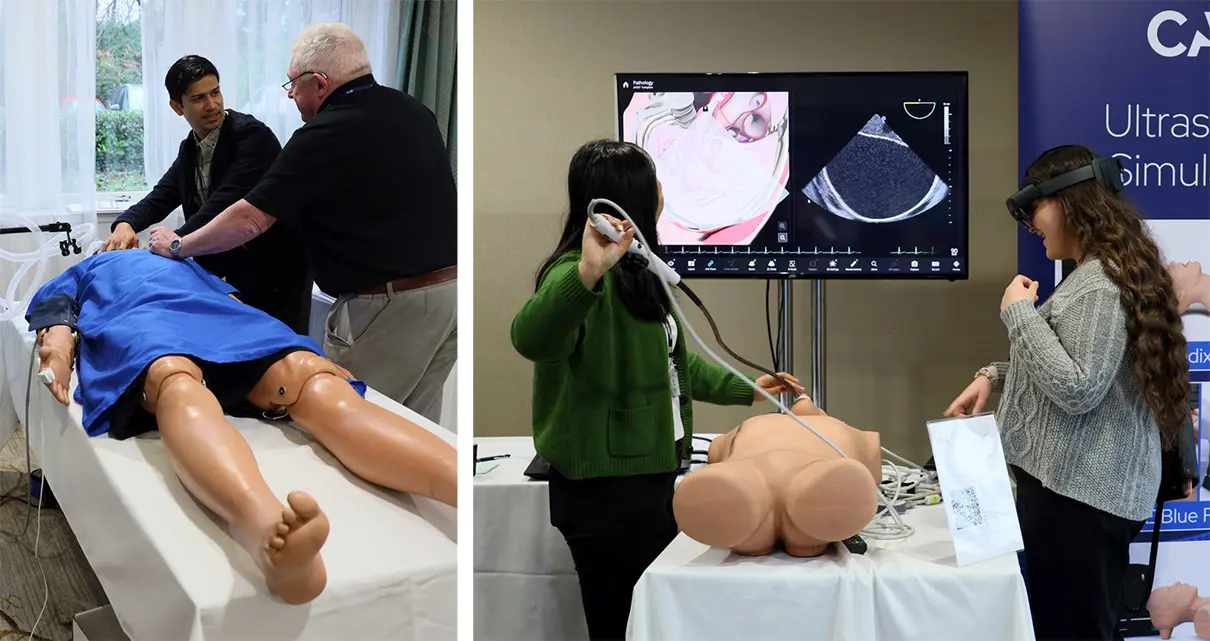
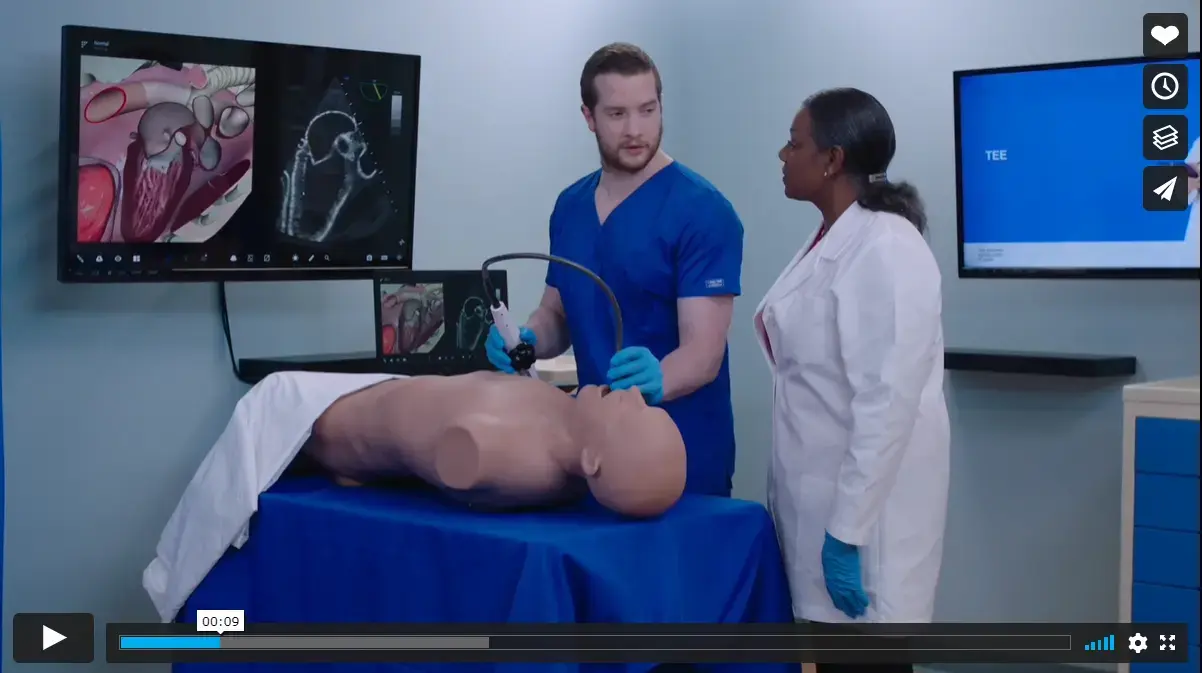
This one-hour overview session with the newly released VIMEDIX Women's Health will focus on the features and functionality of the system, navigating the interface and optimizing training using VIMEDIX Women’s Health. Fetal scanning and maternal pathologies will be demonstrated.
Learning to Learn: Use of Simulators/Scenarios to Advance Critical Thinking, Skill Level, and Clinical Practice
Facilitator: Kitt Adams, RN, CLINICAL LAB
Description:
This session highlights one rural, tribal culturally diverse college in Montana, where simulation and simulator use has become an integral part of nursing education. Scenarios are used to promote critical thinking, skill level, and clinical practice. Through the use of simulators and simulation, students can achieve exposure to medical situations that may not be available in rural settings.
The FAU College of Medicine Simulation Center has trained over 2500 practicing nurses over the past four and a half years. Telemetry, CCU, and ER are just a few of the specialty training courses FAU has conducted. FAU will share the process utilized to establish and train these specialties, as well as the observations and recurring errors that have been identified and removed from the care and treatment of simulated patients.
Lights Camera Action Use iPad/iMovie to Enhance Realism in Simulation
Facilitator: Denise Dawkins
Description:
This session shows how to integrate the flip class teaching model and iMovie to enhance the simulation experience for learner and demonstrates how to make an iMovie (movie or trailer) on the iPad. Learn how to tell the story of the patient using iMovie and have the learners view the iMovie prior to attending the simulation session.
Mastering Debriefing and Its Role In The Formative Process Workshop
Facilitator: Marco Angel
Description:
After a short and interesting scenario using a human patient simulator, the group will have the opportunity to practice debriefing and discuss different theories and techniques. At the end, participants will have a few key points to take with them and feel a little more comfortable with their debriefing skills in everyday practice and teaching activities. Simulation and debriefing together are an invaluable teaching tool.
The use of simulation in the academic world has been a mainstay of assessment and development for various healthcare students. The intent of this session is to highlight the delivery of healthcare education utilizing mobile simulation in rural hospitals and EMS/Pre-hospital agencies. Through a partnership with rural healthcare sites and a regional tertiary care center the two entities have developed a program that allows healthcare providers the opportunity to experience and learn from the benefits of simulation.
Medical emergencies in the dental office are often complex, rapidly evolving, and require a high degree of communication and teamwork. High fidelity simulation that involves all members of the office, from the front desk to the dentist, can allow the team to practice how to respond to common medical emergencies in the dental office environment.
Novel Use of Medical Simulation to Develop and Teach Emergency Algorithms
Facilitators: Brendan McGrath; John Moore; Dougal Atkinson
Description:
The UK National Tracheostomy Safety Project examined critical incident reports related to tracheostomies and laryngectomies. The University Hospital of South Manchester developed and published internationally recognized emergency algorithms to manage such emergencies, supported by extensive educational resources. This session will describe the novel use of high-fidelity medical simulation to develop and test the each stage of the algorithms. This session also will demonstrate how we teach relevant strategies and techniques related to tracheostomies to the multiple disciplines involved in tracheostomy care.
For nursing programs, the orientation of students to obstetrics can be an issue. Many of the nursing students are young and may have not had children of their own or ever seen a birth. Simulation provides students with the opportunity to work with a laboring patient that is about to deliver. A simulation of a pregnant mother delivering a baby and the care during the delivery and care of the new born will be demonstrated.
Do students tell you the patient simulator is scary? Do they get nervous when told there is a simulation session today? This session will explore the rationale and best practices for orienting students to the simulator for their first session. Guidelines suggest orienting students to simulators but provide little direction as to what the content should be. The concepts will be discussed and a demonstration of orientation practices that can be used at any school for novice students will be presented.
Professional Development Using Simulation: It's a SNAPP!
Facilitator: Jennifer Sweeney
Description:
This session will present SNAPP, a unique, simulation-based seminar program that supports the professional growth and skills acquisition for Novice Nurses in their first year of practice.
Promote clinical competency of PGY by utilization of Simulation
Facilitator: Tung-Han Hsieh
Description:
" Program of PGY (Post Graduate Year) training is an important change, and could be the cornerstone of medical education in Taiwan since 2005. The PGY training center of National Cheng Kung University Hospital plays a key role in the program. We take the responsibility to train major part of PGYs in southern Taiwan that could be qualified with core competency.
Availability of clinical judgment and skills are crucial determinants for a PGY to be matured independently. In the process of training, to perform patient care is always the initiation, and do by learn is the mainstay of their doing care. They need to face lots of patients that may present variable clinical features. Without optimal experience and knowledge, they may do wrong or even do harm during delivery of medical care.
In real world, there may not have many patients’ resources for PGYs to get enough practices for core competence. The utilization of high fidelity simulation could be a practical complement to back up the insufficiency of training. In NCKUH, we create suitable scenarios that match with core curriculum for PGYs training. They can practice repetitively to get better of skills and knowledge. We also take the modality of simulation into an objective evaluation of performance."
Prone to Code:A Surgical Simulation of a Full Code during Spine Surgery
Facilitator: Cheryl Podgornik
Description:
The staff were required to demonstrate and /or verbalize knowledge of the signs and symptoms of a developing anaphylactic crisis and regression to full code , necessitating appropriate responses related to rapid and critical position changes. All rescusitation measures were necessitated in the sterile environment of the Operating room.
Relationship between Fidelity and Dose of Human Patient Simulation (HPS), Critical Thinking Skills, and Knowledge in an Associate Degree Nursing Program
Facilitator: Rose Beebe Ed.D., MS, RN
Description:
This research study examined the relationship between HPS, critical thinking, and knowledge after HPS was integrated across the curriculum of an ADN program to determine if differences existed based on the fidelity and amount of student exposure to HPS. An ex post facto design was used with a convenience sample of 187 graduates drawn from six cohorts of graduates who graduated spring 2006 through spring 2010. The HESI exit exam’s composite and critical thinking sub-score were used to measure nursing knowledge and critical thinking.
safeMedicate & eDose Masterclass: Seminal Advances in Drug Dosage Calculati
Facilitators: Keith Weeks; Norman Woolley; Alex Weeks
Description:
This masterclass workshop facilitated by the designers of the safeMedicate and eDose environments focuses on advances in drug dosage calculation education environment design. The workshop will demonstrate 1) a mobile platform designed to allow access to the safeMedicate & eDose environments on multiple platforms,
2) an authentic dimensional analysis framework, 3) a unique environment that prepares students for both NCLEX examinations and competence requirements of clinical practice and 4) a self-monitoring competence-confidence-calibration facility.
Sim Techs - The Difference Between Success & Failure
Facilitator: Lance Baily
Description:
Expanding your sim lab staff skillsets is a must for short and long-term program success. This session will provide a valuable perspective from global healthcare simulation consultant and SimGHOSTS founder Lance Baily on why hiring a Sim Tech is such a crucial step towards increasing simulation lab operational efficiency and learning quality. Maximize your budget through system analysis of your technology-based simulation lab. Learn more about the CAE Healthcare sponsored SimGHOSTS Sim Tech training event and professional online resources.
Simulation Design: Engaging Large Groups of Family Nurse Practitioner Students
Facilitator: Susan Garnett
Description:
This presentation will address the development of a hybrid design for simulated clinical experiences (SCEs) with large groups of family nurse practitioner students. The rationale for and the evolution of the large group design will be discussed. Advantages and disadvantages of each progressive model will be described, including: the game show format with a lifeline, the observer/participant model, the mentor/mentee model and the initial and follow-up visit model. Student feedback comments and suggestions for future modifications will be presented.
Simulation in Nursing Education Utilizing an Assessment Intervention Evaluation Methodology and the Impact on Communication and Critical Thinking
Facilitator: Roxy Kardell
Description:
This presentation discusses a new method of simulation utilizing the bias of the nursing process; Assessment, Intervention and Evaluation. At its core, the nursing process is focused on patient care and safety, which is also a key goal of simulation. Using the assessment, intervention and evaluation methodology (AIE), nursing students work not only on physical skills, but critical thinking and communication as well.
This session will review the pros and cons of using simulation in the interview process. The presenters will discuss how MedFlight has used simulation in its interview process and what they have learned.
Simulation Pre-Briefing Preparation, Clinical Judgment and Reflective Process
Facilitator: Leighsa Sharoff, EdD, RN, NPP,AHN-BC
Description:
The purpose of this lecture is to enable the learner to explore the utilization and integration of preparatory pre-briefing material provided to students and simulation facilitators to determine the efficiency and maximal benefit of integration. In addition, the possible link between simulation preparation, clinical judgment and reflective process will be explored. The outcomes of this study led to improvements in the educational material that is prepared for both faculty and students; thus, the overall educational process (clinical judgment and reflective practice) will be improved and enhanced.
This presentation will review best practices to prepare simulation programs to meet standards of accreditation by the Society for Simulation in Healthcare.
New graduate nurses are often unprepared for entering the workforce due to a practice education gap. Evidence exists that using simulation prepares nurses to manage patients safely and confidently. The goal of this simulation improvement project was to improve confidence and competency in newly hired nurses by implementing learner-centered simulation into the orientation process at a rural mid-western community hospital. This session will describe the process for implementing a simulation curriculum as well as the evaluation results of this project.
Simulation, Soldiers, & Students: An Interprofessional Mock Disaster Collaboration
Facilitators: Heather Anderson; Teressa Moore
Description:
A summer 2012, interprofessional education activity featured a simulated aircraft crash with multiple injuries and casualties. The senior-level community health nursing disaster exercise provided healthcare practitioners and student practitioners with experience in disaster response processes. The qualitative, pilot study included low and high-fidelity simulation, live actors, Homeland Security, Airport Authority, Airport Rescue Fire Fighting, National Guard, paramedic students, physician assistant students, Rural Health Innovation Collaborative, and Critical Incident Stress Management Team. Findings include enhanced knowledge of roles in disaster response processes, value of interdisciplinary cooperation and collaboration, and connection of theory to practice.
Facilitators: Janine Hinton, PhD, MN, RN; Kristine Roberts
Description:
Problem solving based simulations designed to assess performance serve
as powerful learning events. Simulation tests can promote error prevention
habits. A model of Situation Awareness (SA) was successfully used as a
framework for developing performance assessment scenarios and
measurement instruments. This process will be presented, demonstrated,
and adapted to address a variety of patient safety concerns.
Small Budget, Big Plans: Mobile Simulation for Five Years on $500,000
Facilitator: Stacy Capel
Description:
This presentation will provide the business plan used to create a mobile simulation unit from an estate gift. The primary focus will be to highlight and encourage discussion of creative solutions for simulation implementation on a finite budget.
Student Panel on Best Practices in Simulation: A Learner Perspective
Facilitators: Jean Baumgardner; Ilona Gorodyuk; Amy Landgraf; Allison Schlappi
Description:
This panel will present the naked truth about simulation best practices from current nursing students. A student panel will discuss and facilitate responses to hotly debated best practice issues in simulation based on their own experiences and currently published simulation research. Should facilitators kill the manikin when an error is made? How does a scenario need to be to get student buy-in? Can the fear factor be removed from the simulation lab? These are just a few discussion topics that the student presenters will facilitate. Student attendees will be encouraged to come and voice their opinions and reactions to the literature. Faculty attendees will be encouraged to come and ask questions to a diverse group of students for quality improvement in their own simulation programs. This fun and interactive open forum is geared toward student attendees, but all are welcome to attend.
This session will present a unique way of involving students in the entire simulated experience. Students create scenarios, anticipate positive and negative responses to the scenarios, respond to and critique scenarios, and facilitate the debriefing of scenarios. Student led high risk scenarios allows students to learn on multiple levels how to respond to emergency situations using all aspects of the Quality and Safety Education for Nurses competencies and to critique others in a constructive manner. Tools to successfully implement student-led scenarios will be presented.
What is simulation and why should suspension of disbelief be considered when designing and implementing simulation scenarios? This session will discuss some of the specific things an instructor can do to suspend disbelief and how simulation benefits nursing students.
Suspending Disbelief in Simulation: It Doesn't have to be a Pain in the Production!
Facilitators: Ellen Lones; Susan Samsonow; Nancy Nicoll; Colin Treem; Megan Pierson
Description:
Suspending disbelief is important for learner engagement in simulation scenarios. The Dartmouth Hitchcock Patient Safety Training Center (PSTC) stage crew comprised of specialists, technicians, and designers, views the process of scenario development as a theater production. The crew helps educators realize their simulation productions. Building a set, writing a script, rehearsing, using costume and make-up are only parts of the process. By combining structured scenario script writing with creativity, facilitators can provide an intriguing, engaging learning experience.
Taking the Pressure out of Teaching Hemodynamic Monitoring
Facilitators: William McGee, MD; Gerard Langlois
Description:
Hemodynamic monitoring has changed considerably over the last twenty years. The decline in use of pulmonary artery catheters and the increase in prevalence of less invasive modalities have changed the way we teach these principles.
Facilitators: Michelle Herring; Jared Schmidt; Debra Wing; Shelly Reed
Description:
This podium presentation will discuss the research findings on debriefing evaluation scores and the amount of time the teacher spends talking versus teaching. A 10-minute emergency asthma simulation will follow this with a pediatric mannequin.
The "Essentials of Bridge Building": Incorporation of ACCN Essentials of Baccalareate Education for Professional Nurisng Practice Through Simulation
Facilitator: Teressa Wexler
Description:
The American Association of Colleges of Nursing (AACN) offers a framework for undergraduate and graduate curriculum to provide a patient-centered approach that incorporates the concepts of interprofessional collaboration, EBP, quality improvement, safety, informatics, critical thinking, genetics, genomics, and cultural sensitivity. This presentation will share how to enhance not only knowledge of the essentials but how to apply this knowledge to the clinical setting. Each of the current AACN Essentials for BSN nursing were used to develop three high-fidelity simulations that incorporate these concepts.
The 12-Hour Clinical Simulation Day: Significant Learning
Facilitator: Leslie Catron
Description:
Recognition is increasing for the use of simulation within interdisciplinary education. Clinical sites and meaningful patient experiences are becoming increasingly challenging to find. Adding an eight or twelve-hour clinical simulation day provides an alternative to understanding and learning patient care plus team building, improved communication skills, and development of direct "patient" care with flexible time to change behaviors in critical thinking, clinical judgment, and care delivery. This plan can be incorporated into all courses to meet learning objectives and increase student satisfaction.
The Effect of Peer Mentoring in a Simulation Lab Setting
Facilitators: Jared Schmidt; Debra Wing; Patricia Ravert
Description:
Peer mentoring has increasingly become an effective tool in promoting academic gains in higher education. Brigham Young University has been using peer mentoring in their simulation labs for the past ten years. Research assistants help run the simulations as well as provide guidance for the students as they participate in simulation labs. This session presents student perceptions of how peer mentors help increase learning during the semester.
The ePatient Component: How Valuable is it to Your Learners?
Facilitators: Ellen Lones; Susan Samsonow; Nancy Nicoll; Colin Treem
Description:
Scenario script development for use with mannequins is a major focus at the Dartmouth Hitchcock Patient Safety Training Center (PSTC). Incorporating scenario-scripted patients into an electronic medical record (EMR) is challenging. The PSTC specialists generate scenario scripts based on educators needs and create an ePatient in the electronic training environment. Challenges in this process include timelines, learners’ needs, and the ability to test the script, mannequin and ePatient during a practice run.
The experiences of nursing students as standardized patients:
Facilitator: H. T Lee
Description:
over-interpretation could be avoided by recruiting non-nursing professionals as standardized patients. However, the findings in the study revealed that nursing students as being standardized patients had positive influences on refining their own communication skills and increasing patient respects
The Impact of Simulation on Core Skill Develop in First Year Student Nurses
Facilitators: Naomi Narramore; Karen Chandler
Description:
In the UK in accordance with the Nursing and Midwifery Council Standards for nurse education, it was approved that a maximum of 300 clinical hours over the three pre-registration program could be replaced with simulated practice. This session will demonstrate how one university introduced simulated practice to year 1 children’s nurses to teach them core skills of observation, communication, safeguarding, infection control and medicine management. This is a current research project to evaluate best practices and the student experience.
THE USE OF SIMULATION AS A STRATEGY IN THE LEARNING PROCESS IN PEDIATRICS AND NEONATOLOGY: EXPERIENCE OF A NURSING COUNCIL
Facilitator: Ariadne da Silva Fonseca
Description:
A Nursing Council has as one of its goals to solidify the quality of nursery assistance through a realistic simulation strategy. In order to this, relies on a simulation center, equipped with one of the most modern technological resources. This study reports the experience when using the simulators for practical training in pediatrics and neonatology expertise, directed to nursing professionals in the State of Sao Paulo, Brazil.
Three C of Successful Simulation: Collaboration, Communication and Confidence
Facilitator: Amanda Pierce-Anaya
Description:
This presentation will discuss how the successful collaboration of the healthcare team to include physicians, nurses, nursing students, and medical students within a simulation center is essential to increase team communication and provide safe patient care. This requires a healthcare team that is confident in their approach and abilities to function as one entity. According to the Tri Council for Nursing, which is comprised of the AACN, ANA, AONE, and NLN, a more highly educated nursing workforce is critical in order to meet the nations nursing needs as well as to deliver safe and effective patient care.
A unique educational opportunity presented when a regional ambulance pursued the advancement of six employees from EMT-Basic to EMT-Paramedic. The service reached out to a tertiary medical center that houses a multidisciplinary simulation center. The two of them partnered over the next year to deliver simulation and educational sessions in pursuit of developing and assessing educational knowledge and competence of the six participants. The grant driven project implemented didactic sessions along with several simulation based hands-on events.
Trauma Simulation: Prolonged Field Care in Austere Environments
Facilitator: Burkhard Milde
Description:
During the last few decades, disaster rescue missions have become more complex. The chain of rescue (“Rettungskette”) was improved from the point of injury to the first medical treatment facility. Trauma patients are treated and evacuated first by non-medics. In order to improve the outcome of a trauma patient the focus was set on the first responders. New emergency techniques and materials were developed and first responders are trained using high-fidelity simulators.
Using 1:1 Simulation to Assess Critical Thinking and Performance
Facilitator: Catherine Jagos MSN-Ed RN
Description:
This session will address the use of 1:1 simulation to assess “why” a clinician is having difficulties and how to use the data obtained. For the results to be effective, the assessment must have a foundation of evidence-based practice, be objective and individualized. Using discussion and case studies we will show how this assists the educator in recognizing the areas of needed improvement, developing learning pathways, and helping the learner look at their skill level and “fit” in their current unit.
Using the HPS in a large audience CME meeting in South Africa
Facilitator: Naren Bhimsan
Description:
In March 2009 we were tasked with designing and implementing an innovative way of using our newly acquired METI HPS simulator to accommodate over 50 delegates in a single session during the SA Soc of Anesthesiologists meeting in Durban. Using an interactive voting system and a carefully designed malignant hyperthermia scenario, we accomplished this in actively managing the chosen “patient”. Our aim of demonstrating that hi-fidelity simulation could actively be utilized in large audiences with a satisfactory outcome was realized despite literature studies showing that simulation generally involves smaller group sizes.
Using the HPS to Demonstrate Basic Respiratory Physiology
Facilitator: Daniel Summers
Description:
Medical schools have largely abandoned the use of animal labs to demonstrate basic physiology for medical students. This session will describe and provide outcomes for a laboratory experience, which utilizes the HPS to provide an interactive laboratory experience demonstrating basic respiratory principles for small groups of medical students. This is now a mandatory part of West Virginia University’s curriculum.
Validating Medical Team Performance Through Complex HPS: Utilizing Military
Facilitator: Sharon Walsh-Hart RN, MSN, M.ED, CEN
Description:
CSTARS Cincinnati is a United States Air Force (USAF) educational platform that validates critical care air transport teams (CCATT) prior to deployment. Students attend a 12-day course that includes didactic, clinical exposure and simulation. During the course of the program, students undergo four 45-minute simulations that are complex and run two simulations simultaneously. During this session, the process utilized to develop these complex simulations will be discussed as well as the evaluation tool developed to validate the teams.
Ventilation: Developing Patients / Scenarios for Ventilator Applications with the HPS
Facilitators: John Hardcastle; Stefan Monk
Description:
This session will use an HPS with Muse software to develop patients / scenarios for ventilator applications. Participants will learn about programming respiratory pathophysiology (Asthma, COPD, ARDS) geared towards learning objectives.
Ventilation: Teaching Clinical Challenges with the HPS
Facilitators: Stefan Monk; John Hardcastle
Description:
The session will use an HPS with the Muse software to develop relevant clinical challenges for teaching. This session will look into Asthma, COPD, ARDS and other diseases, as well as weaning and highlight programming towards learning objectives.
Video Playback During Debriefing: Seeking Collaboration to Define Best Practice
Facilitators: Terry Cicero; Anita Weismantel Mikasa
Description:
A research study comparing Video Playback versus Discussion Only during Debriefing provided preliminary data to support the value of video playback in student evaluation of critical thinking skills following a high acuity simulation for senior nursing students. The study methods, results and limitations will be presented. Participant discussion will examine challenges and successes in implementing video playback during debriefing. Group recommendations for multi-site study design and identification of potential collaborators will be encouraged.
When Debriefing Needs to Be Longer - Guided Reflection is a Useful Method.
Facilitator: Jeanette Peterson, MSN, RN
Description:
This session will teach participants how a meaningful End-of-Life SCE can increase student confidence, skills, and competence when dealing with a dying patient.
This course will review a volunteer simulation worker program implemented by Swedish Hospital in Seattle, Washington that utilizes retired and non-practicing RNs to supplement staffing for their simulation center activities. Day-to-day management of these individuals will be discussed. Additionally, Swedish will review how they have partnered with their State Board of Nursing to allow "clinical" hours to be awarded toward their re-licensure for these retired and non-practicing nurses.
Celebrate "The Magic of Simulation" at our welcome reception on Sunday, June 30. Come as you are to enjoy conversation, free refreshments and entertainment by Jay Alexander, our magician-to-the-stars!
With so much to see in San Francisco, where do you start? Here are a few of the must-see tourist destinations, restaurants and a map for shopping. Because we care about making your overall experience an enjoyable one.
A one-night room and tax deposit will be charged to the credit card provided on/or after June 19, 2013. The deadline for making hotel room reservations has been extended to June 19, 2013.
Cancellation Policy: 7 days prior to arrival.
To make a hotel reservation, please contact the San Francisco Marriott Marquis Reservations at 1-888-575-8934 regarding rooms availability or to update your current room reservations.
Airport Transportation available to HPSN World San Francisco
Airport Shuttle Services: There are a number of shuttle and taxi services available to and from the Oakland Airport and the San Francisco International Airport to the Marriott Marquis.
Taxi from San Francisco $45 plus tip
Taxi from Oakland Airport $65 plus tip
Super Shuttle services is also available to the downtown hotels. SuperSuttle can be reached by calling 800-258-3826.
From San Francisco International Airport is $17 one way runs every 15 minutes outside of baggage claim. No reservations required if between 5am-7pm
From Oakland Airport is $27 one way. Reservations are required.
BART – Subway system: If flying to San Francisco International airport you can catch the BART at the airport. You will get dropped off about a half block away from the hotel. This is the link for those interested as using this as an option.
There is plenty to do to celebrate the 4th of July in San Francisco if you decide to extend your stay through the holiday. We have included a couple of our favorites here for your convenience:
After HPSN World 2013: California Fun Tours July 3, 2013
The Best of the Wine Country.............................................. $133.60 per person Estimated Time: 8 hours
Explore the finest wine-producing region in the country: California’s Napa and Sonoma Valleys. You will begin your morning by visiting a renowned winery such as S. Anderson, Merryvale or Domaine Chandon. Here you will enjoy a tour of the wine-making facilities, followed by a sensory evaluation of the winery’s premium varietals. After enjoying lunch on your own either in downtown Sonoma, Napa or Yountville, you will have the unique opportunity to visit a second winery, perhaps a small family-run boutique winery, to enjoy a comparative tour and tasting before returning to San Francisco. Download the registration form here
Magical Marin...................................................................... $65.00 per person Estimated Time: 4.5 hours
Cross the Golden Gate Bridge into magnificent Marin County with its astonishingly varied land and seascapes. Stopping at Muir Woods National Monument with its towering redwood forest, you will have time to stroll among these ancient giant sequoias whose biological ancestry dates back well over a million years. You will also visit Sausalito, a sparkling Riviera-like bayside village with its winding, wooded streets, houseboat havens and unique boutiques and galleries. Download the registration form here
Explore Alcatraz Island.
Visit the legendary island that has been a civil war fort, a military prison and one of the most notorious federal penitentiaries. Day and night tours are available and it is recommended that you purchase tour tickets in advance. Click here for more information
Fourth of July Waterfront Celebration at the PIER Thursday, July 4, 2013
Flash! Sparkle! Pop! It’s Fourth of July! PIER 39 celebrates Independence Day with fun for the whole family featuring musical entertainment and activities in our Entrance Plaza. Dazzling fireworks, local bands, food, arts and crafts ignite this annual waterfront party. At approximately 9:30 pm, The City of San Francisco will treat spectators to an elaborate fireworks display over the San Francisco Bay. The best location to enjoy Fourth of July amusement is at PIER 39. Dress warmly.
Pier 39 and Fisherman’s Wharf, 415-705-5500 www.pier39.com
Fillmore Street Jazz Festival Saturday July 6th - Sunday July 7th, 2013
Three stages of continuous jazz performances, more than 300 artists’ booths and international food courts with some of the best food and beverages that San Francisco has to offer.
Michael Bernstein is President of CAE Healthcare, a division of CAE, Inc., the Montreal-based global leader in aviation simulation. Prior to that, he was President and Chief Executive Officer of METI, Medical Education Technologies, Inc., the Sarasota-based global leader in patient simulation. He brings over 20 years of successful leadership experience in the healthcare and technology industries. Before joining METI, Bernstein served as President and Chief Executive Officer of Innovative Health Strategies, a privately held healthcare IT company that provided outsourced contract and data management services to pharmaceutical manufacturers. Mr. Bernstein previously served as President and Chief Operating Officer of Cobalt Corporation, a $1.6 billion publicly traded Blue Cross Blue Shield health insurance holding company. Prior to his tenure at Cobalt Corporation, Bernstein served as Executive Vice President of the University of Wisconsin Medical Foundation, an 850 physician academic group practice with $250 million in revenue, the largest Group Practice in Wisconsin and one of the ten largest in the country. In 1996, Mr. Bernstein was the Senior Vice President of University Health Care, Inc., a company formed by University Hospital and UW Medical Foundation to provide all professional functions for both organizations relating to managed care, contracting, data management, and medical management. Bernstein has a J.D. from the University of the Pacific, McGeorge School of Law and a B.A. from the University of California, Davis. He is married to Sarah C. Skebba and has two children.
John Foley Keynote Speaker
In addition to delivering 100 keynote presentations each year, John is the founder and CEO of John Foley CenterPoint Companies Inc., providing high performance training to individuals, teams, and organizations. His Glad To Be Here® Foundation funds charitable works across the globe.
Born in Germany, educated in the US and deployed globally. John served as a Navy jet fighter instructor pilot, flew in the movie “Top Gun” and thrilled audiences worldwide as the lead solo pilot of the Blue Angels.A graduate of the United States Naval Academy, he also holds three masters degrees: in business management from the Stanford Graduate School of Business (as a Sloan Fellow); in international policy studies from Stanford University; and in strategic studies from the Naval War College. Before launching his speaking career and consulting businesses, John worked with a venture capital team in Silicon Valley.
The CAE Cup (formerly METI Cup) Challenge is a critical care skills competition where teams compete in emergency scenarios using the latest human patient simulation technology. See nursing students and EMS personnel in this exciting event where each team will get to showcase their skills for the audience.
Think you have what it takes to win? Don't miss out on your chance to show us what you've got!
CLICK HERE>> to learn more about the nursing challenge and to register your team.
CLICK HERE>> to learn more about the EMS challenge and to register your team.
Check out these exciting highlights from last year's competition.
Partnership and Exhibition
Join us for HPSN World 2013 to network and showcase your products, services, and suppliers to educators who are at the forefront of education, management and simulation in their programs. This year HPSN World will be held in San Francisco, CA at the Marriott Marquis hotel. You are invited to exhibit! Download the Exhibit Hall floorplan and details here >>
Who will attend?
· Nurse Educators · Sim Center Directors · Program Coordinators · Physicians · Paramedics · Nurses · Allied Health · Nurse Anesthetist · Administrators · Students
Non-Profit or Educational Booth being offered this year
Discounted booth space is limited to non-commercial, 501-(c)3 organizations and simulation centers only. Each institute is limited to one booth at this reduced pricing and applicant must provide proof of 501-(c)3 status or have .org, .edu, or .gov in your website URL.
Exhibit and Sponsorship Opportunities:
To get visibility before, during and after the event, HPSN World 2013 offers a wide variety of marketing opportunities!
Please contact Kristyn DeGregorio (kristyn.degregorio@cae.com) with whatever your objectives or budget may be. Our sponsorship team will help you reach them!
The exhibit floor layout is not available until April 1st. Booth assignments will be assigned based on when your application is received. Please fax the application to 941-377-5532 or send electronically to kristyn.degregorio@cae.com.